.png)
The Role of IoT in Wearable Technology: Health and Beyond

Updated: 5 days ago
The Internet of Things has dramatically changed wearable technology, giving it more enhanced
capabilities and opening up applications beyond mere fitness tracking. From healthcare to
entertainment and productivity, IoT-enabled wearables are changing the way people interact
with technology and their environment. Let have a closer look at the role of IoT in wearable
devices and its impact across various domains:

1. Revolutionizing Healthcare Monitoring
IoT-enabled wearables are playing a very crucial role in enhancing healthcare delivery:
● Real-time health tracking: Wearable devices like smartwatches and fitness trackers
can monitor heart rate, blood pressure, and oxygen levels.
● Chronic disease management: The patient who has diabetes can be guided with
glucose level or medication alert by wearables.
● Remote patient monitoring: IoT wearables help doctors keep tabs on patients; health
while they are at home and away from hospitals, thereby minimizing visits to hospitals
and taking proper care of the elderly.
2. Fit and Wellness Tracking
IoT has taken wearables on the fitness and wellness track:

● Monitoring of activity: Track Your Steps, Calorie burn and so many others along with
tracking sleep, Devices provide user-centric insight that helps achieve fitness objectives.
● Tailored recommendations: IoT helps merge apps for customized workouts, dieting
tips, and wellness hints in order to take care of their own needs.
3. Making Workplace Productivity Shine Bright
IoT-enabled wearables are transforming the workplace as well:

● Employee Health and Safety: Wearables monitor stress levels, posture, and physical
strain, reducing workplace injuries.
● Increased Productivity: Smart glasses and augmented reality (AR) wearables help
employees by allowing access to data and instructions with their hands-free, which
applies most especially in the manufacturing and logistics sectors.
4. Enhancing Sport Performance
IoT wearables are now becoming more trendy in sports individuals and professionals:

● Performance Measurement: Smart devices track metrics like speed, endurance, and
recovery times to help athletes optimize their training.
● Injury Prevention: IoT wearables detect physical stress and suggest adjustments to
prevent injuries during intense activities.
5. IoT in Fashion and Lifestyle
Wearable technology has moved into the fashion and lifestyle arena, offering a blend of style
and functionality:
● Smart Clothing: IoT-enabled clothing monitors temperature, hydration levels, and more,
enhancing comfort and health.
● Connected Accessories: Smart rings and jewellery integrate features like notifications,
fitness tracking, and payments, adding convenience to daily life.
6. Entertainment Experience Evolution
IoT wearables are revolutionizing the way we enjoy entertainment:

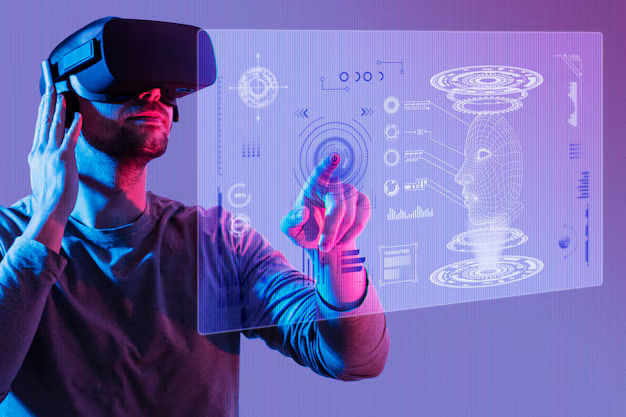
● AR/VR Immersive Experiences: IoT-enabled headsets for AR and VR provide more
excellent gaming and virtual experiences.
● Curated Content: Wearables personalize playlists, videos, or gaming sessions on the
basis of user preferences as analyzed by them.
7. Enhanced Security and Privacy
IoT wearables have enhanced personal safety:
● Biometric Authentication: This is through smart devices that employ fingerprint
scanning and facial identification for secure access to your data and devices.
● Location Tracking: IoT wearables equipped with GPS ensure safety by allowing the
real-time sharing of location with family members or authorities.
8. Data-Driven Insights for Better Living
IoT wearables produce massive amounts of data, which can be analyzed to improve quality of
life:
Health Trends: Wearable data insights can be used to make informed lifestyle choices.
Predictive Analytics: Advanced wearables use IoT to predict potential health issues and
provide early warnings and preventive care.
Challenges and Future Opportunities
Though IoT has pushed wearable technology, issues including data privacy, security, and
battery life are still there. In the future, AI, 5G, and edge computing will make wearables
smarter, more reliable, and widely adopted.
Wearable technology is being driven by IoT, transforming it into a tool for health, productivity,
and much more. Over time, it will influence every aspect of life, sending humanity towards a
much more connected and efficient future. Wearables that are driven by IoT are a gateway to a
smarter, healthier, and more interactive world.


Comments