.png)

Learn IoT: Fundamentals
Connected systems combine devices, networks, software and decisions. Follow one signal from a sensor to a useful action in IoT Explained, then explore our device map.
Browse learning articles to start with the foundations, or explore the Internet of Senses. IoTPapa explains technology from its developers; it does not sell products.

Consumer IoT
Primarily for everyday use.
Eg: home appliances, voice assistance, and light fixtures.

Commercial IoT
Connected systems in workplaces, retail, logistics, hospitality and buildings. Assess integration, reliability, data governance and operating cost.

Military & Defence IoT
Connected sensing, communications and asset-management systems in defence. Evaluate reliability, interoperability, data access and support in the relevant context.
Types of IoT
The networking, communication and connectivity protocols depend largely on the specific IoT application deployed. Just as there are many different IoT devices, there are many types of IoT applications based on their usage. Here are some of the most common ones:

Primarily used with industrial applications, such as in the manufacturing and energy sectors. Eg: Digital control systems, smart agriculture and industrial big data.

Infrastructure IoT
Primarily used for connectivity in smart cities. Eg: infrastructure sensors and management systems.

Why is IoT Important?
Connected systems can help with monitoring, coordination and selected automation. Value depends on the task, data quality, integration, reliability and maintenance. Compare outcomes against a baseline and include ongoing cost; connectivity alone does not guarantee a benefit.
-
To generate new business models and revenue streams
-
To improve business decisions through data-driven insights from IoT data
-
To increase productivity and efficiency of business operations
-
To enhance customer experience

Examples of IoT Devices
Home Security
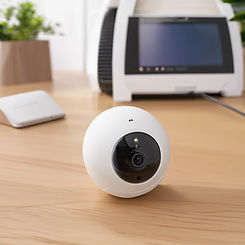
Connected cameras, alarms and access devices can support monitoring and alerts. Compare storage, account protection, support and behaviour during power or network interruptions. Connectivity cannot guarantee round-the-clock protection or an emergency response.
Activity Trackers
Activity trackers may estimate movement, heart rate and selected wellness indicators. Supported measurements and evidence vary by model. Do not assume a tracker measures appetite or provides medically reliable blood-pressure or oxygen readings. Check its intended use and limitations.
Industrial Security and Safety
Connected sensing can support monitoring and alerts for defined conditions. Detection and response are different steps: a sensor does not itself repair a leak. Check measurement suitability, calibration, alert reliability and the deployment’s documented response process.
Augmented Reality Glasses
Augmented Reality (AR) glasses are wearable computer-enabled glasses that help you get extra information such as 3D animations and videos to the user's real-world scenes. The information is presented within the lenses of the glasses and can help users access Internet applications.

Motion Detection
Motion sensors can support presence detection and alerts. Structural vibration monitoring requires suitable instruments, calibration and validated analysis. A sensor alert alone is not a diagnosis of structural safety or a prediction of a disaster.