.png)
IoT in Space Exploration: Pioneering the Next Frontier with Connected Devices

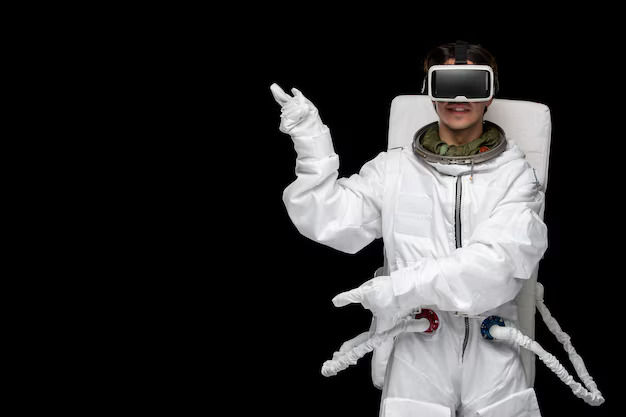
Space exploration has always been a testament to human ingenuity and the quest for
understanding the universe. With the integration of the Internet of Things (IoT), space missions
are becoming smarter, more efficient, and capable of collecting unprecedented data. IoT
devices have transformed the way we explore space, offering innovative solutions to enhance
communication, ensure safety, and optimize resource management. Here's how IoT is
revolutionizing space exploration
Enhancing Communication Systems

IoT enables seamless communication between satellites, rovers, and mission control centers.
Connected devices facilitate the relay of real-time data from space to Earth, improving the
accuracy and speed of decision-making during critical missions.
2. Advanced Spacecraft Monitoring

IoT sensors deployed in spacecraft track critical parameters such as temperature, pressure, and
fuel levels. These devices make sure the spacecraft is working within safe ranges and alert the
engineers to probable problems before they become dangerous.
3. Autonomous Space Operations
IoT technology equips spacecraft and rovers with autonomous capabilities. By connecting
sensors, actuators, and AI systems, these machines can undertake tasks such as navigation,
sample collection, and repairs without constant human intervention.
4. Optimization of Resource Management
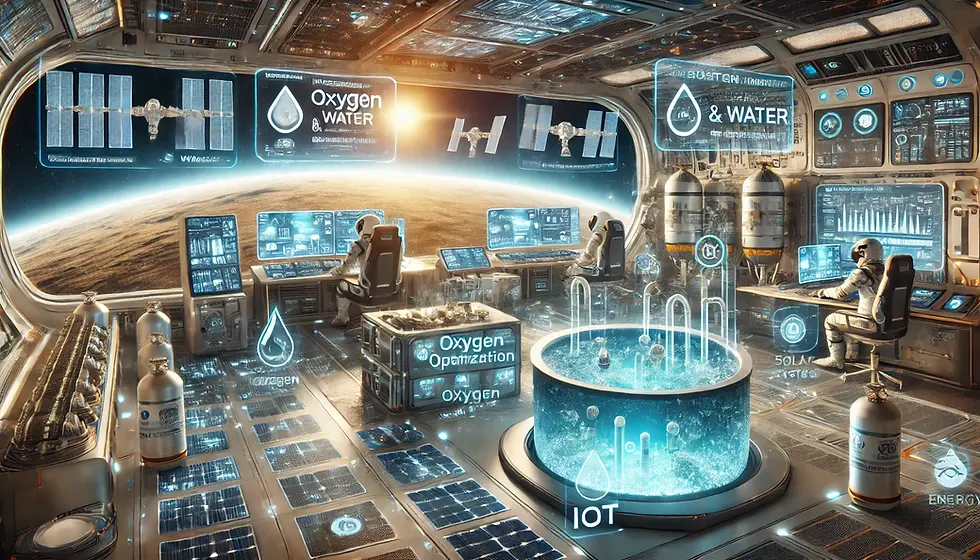
Space missions are resource-intensive, and IoT plays a crucial role in the efficient use of
resources. For example, connected systems monitor oxygen, water, and energy usage for
sustainable long-term missions.
5. Supporting Deep Space Missions

In deep space exploration, where communication delay is unavoidable, IoT devices support
decentralized systems that work without reliance on the network. Such systems make the
smooth running of systems feasible at distances far beyond the orbit of Earth.
6. Enabling Space Tourism

With private space exploration companies cropping up, IoT is breaking the way to space
tourism. Connected devices make passengers feel safe, track health and wellness parameters,
and give custom experiences to those going beyond Earth.
7. Facilitating Cooperative Research in Space
IoT facilitates international space agencies, along with research institutions. It connects
satellites and all observation systems to work simultaneously. Shared IoT platforms for
scientists to collaborate, help them discover things much faster.
8. Creating a New Revolution in Space Technology

IoT-enabled satellites, also known as "smart satellites, are changing the way we see Earth and
space. These satellites monitor weather patterns, track climate changes, and support global
communication networks.
9. Astronaut Safety Improvement

IoT devices improve astronaut safety by monitoring their vital signs, detecting hazards, and
providing real-time feedback. For instance, smart suits with IoT sensors warn astronauts of
temperature or oxygen level changes.
10. Support Planetary Exploration
IoT-connected rovers and landers have dramatically changed planetary exploration. These
networked devices take and transmit in-depth data related to the plane surface, atmosphere,
and possibilities of life there.
11. Space Debris Management
IoT helps a lot in the tracking of space debris. The IoT network sensors monitor debris motion to
prevent collisions and secure the functioning of operational satellites and spacecraft.
12. Agriculture Research in Space

IoT enables experimentation for food growth in space. Smart sensors monitor the conditions of
the soil and water levels and plant health to contribute to sustainable food growth in long-term
missions.
13. Enabling the Colonization of the Moon and Mars

The colonization of the Moon or Mars becomes more feasible with the advancement of IoT
technology. It connects systems to help in the efficient management of habitats, including life
support, energy, and recycling waste.
14. Driving Innovation in Space Robotics

IoT-based robotics play a significant role in space exploration missions. Such robots handle
tasks such as sample retrieval, terrain mapping, and equipment maintenance that pose less risk
to human astronauts.
Conclusion
Integration of IoT into the exploration of space is really a giant leap forward in our pursuit to
explore space. IoT enables humans to venture farther than ever before, connecting devices,
optimizing operations, and improving safety. There is limitless scope for discoveries and
innovation as this technology evolves.

Comments