.png)
IoT in Smart Supply Chains: Logistics and Inventory Management

Updated: 5 days ago
IoT is revolutionizing supply chain management due to the connection of devices and systems, which helps make smarter data-driven decisions. Businesses are today achieving higher efficiency, better transparency, and more agility concerning logistics and inventory operations through the use of IoT. Ways IoT transforms supply chains can be enumerated as follows:
1. Real-Time Asset Tracking

IoT-enabled GPS tracking and RFID tags help businesses track shipments in real-time. This results in greater visibility of goods, loss reduction, and better delivery accuracy.
2. Predictive Analytics for Inventory
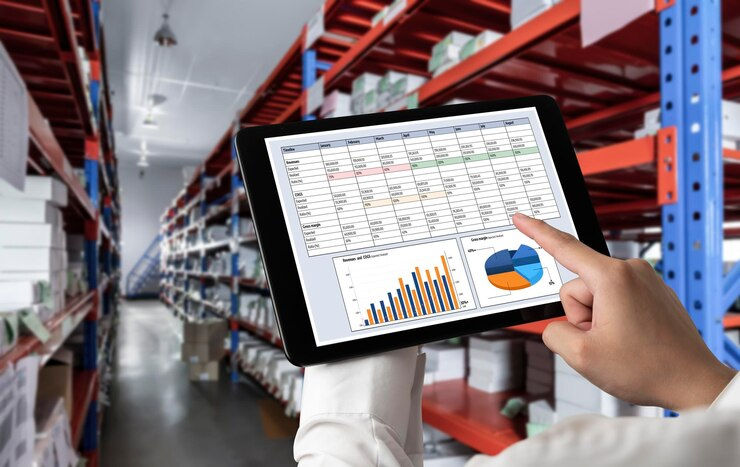
IoT devices gather and analyze data to predict the needs of inventory. Businesses avoid overstocking or shortage situations with predictive demand trends, which ensures smooth operation and reduces waste.
3. Temperature and Condition Monitoring

Smart sensors monitor the conditions of goods, such as temperature and humidity. This is especially critical for perishable items like food and pharmaceuticals, ensuring quality and compliance throughout the supply chain.
4. Automation in Warehousing
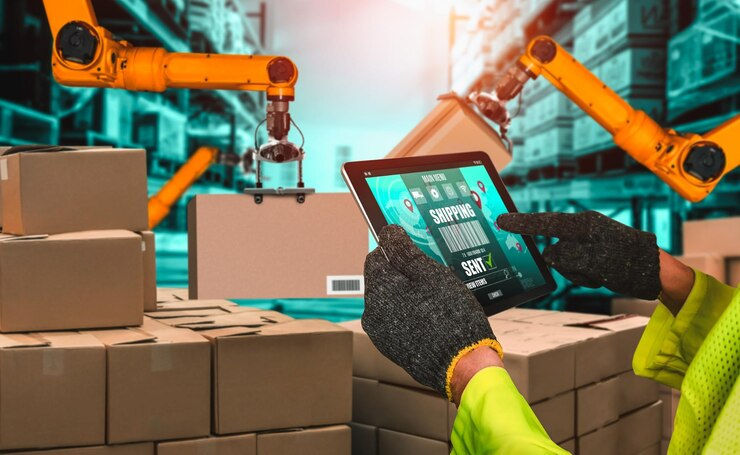
IoT automates warehouse processes with smart systems, such as robotic picking and connected conveyor belts. This reduces errors, improves order fulfillment speeds, and optimizes space usage.
5. Fleet Efficiency and Maintenance

IoT-based cars monitor the health of engines, fuel efficiency, and driving habits. This allows for predictive maintenance to prevent breakdowns and ensure the smooth running of the transport fleet.
6. Supply Chain Security

IoT improves security by integrating smart locks, real-time alerts, and tamper-proof packaging. This helps protect goods from theft or damage, thus providing comfort to businesses and customers alike.
7. Smart Route Optimization

IoT systems analyze traffic patterns, weather conditions, and delivery constraints to optimize transportation routes. This reduces fuel consumption, ensures timely deliveries, and lowers operational costs.
8. Dynamic Inventory Replenishment

Connected IoT systems automatically trigger restocking alerts when inventory levels drop below a certain threshold. This ensures just-in-time inventory, reducing carrying costs and avoiding stock outs.
9. Transparency and Trust with Blockchain

IoT works perfectly in tandem with blockchain technology to create transparency in supply chains. All transactions or movements of goods are tracked, providing traceability and establishing trust with partners and customers.
10. Sustainability in Operations

IoT enables businesses to monitor and optimize energy usage in supply chain operations, making the business more eco-friendly. Reduced waste, optimized routes, and better resource management all contribute to sustainability goals.
11. Customer-Centric Approach

IoT-powered systems keep the customers abreast of the orders in real-time. These may include estimated delivery times and tracking details. This way, it is improving the customer experience and giving confidence to the brand.
12. Data-Driven Decisions
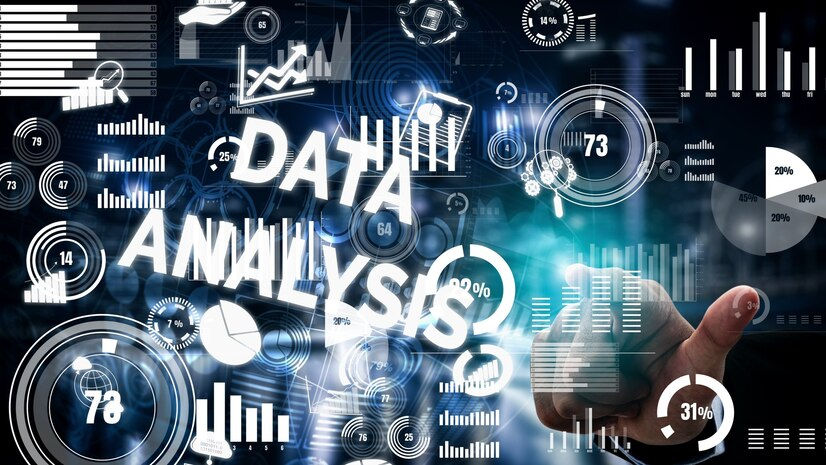
IoT devices create massive amounts of data, which can be used to find patterns and inefficiencies. These insights can be used by businesses to make better decisions and continue improving their supply chain operations.
The supply chain and inventory management will experience a total transformation through IoT. Through the real-time data provision, it is capable of automation and better transparency that can make businesses streamlined for operation, which will satisfy changing market requirements. Thus, supply chains will become smart, agile, and better to tackle challenges of the future.


Comments