.png)
IoT in Education: Transforming Classrooms with Connected Technology

The inclusion of the Internet of Things in education brings an evolution to teaching and learning within classrooms. It is with connecting devices, tools, and systems that IoT assists schools in establishing more smart and efficient learning environments by responding to students' evolving needs as well as instructors' needs. The ways by which IoT has shaped the system are elaborated below:
1. Interactive and Immersive Learning Environments
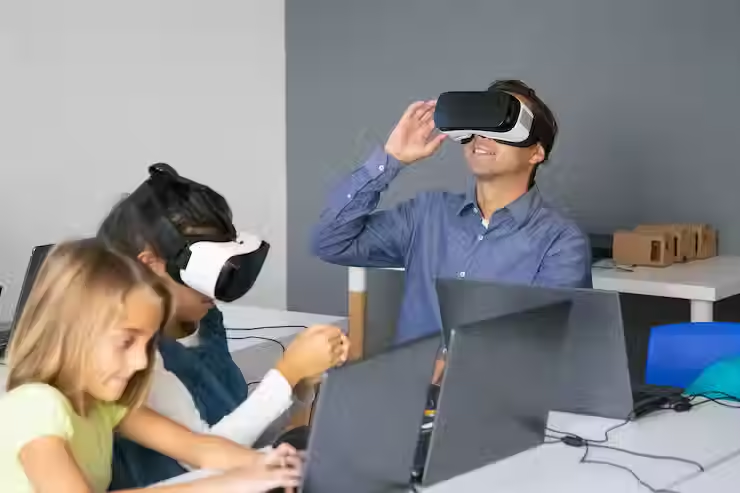
IoT-enabled devices like smartboards, interactive projectors, and augmented reality (AR) tools create engaging learning environments. These technologies allow students to visualize complex concepts, making lessons more interactive and enjoyable.
2. Personalized Education
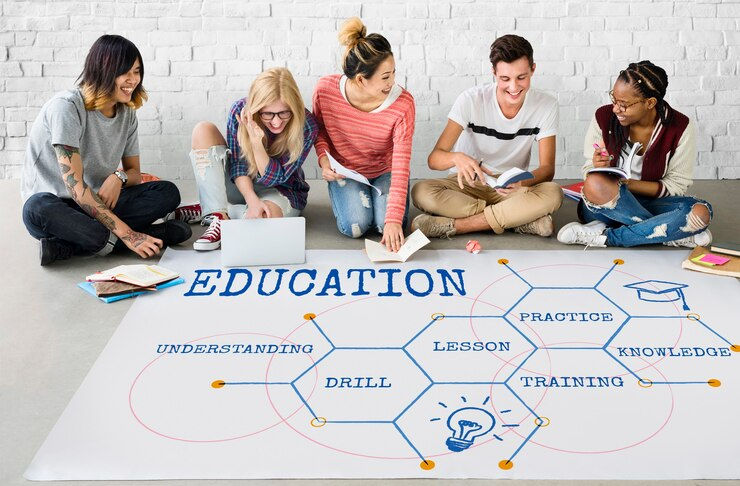
IoT systems collect data about each student's progress, learning style, and preferences. Using this data, teachers can customize lessons and recommend resources, ensuring that students receive personalized education tailored to their unique needs.
3. Smart Attendance Systems

IoT automates attendance tracking by using biometric devices connected to the devices or RFID cards. These systems save precious time in class and keep proper records so that the teachers can focus on teaching more.
4. Opportunities for Distant Learning

IoT closes the gap between a physical classroom and a virtual one. With tablets, laptops, and smart cameras, students can engage with classes from anywhere. Education is made accessible to everyone, whether it is from remote locations or has special needs.
5. Collaboration Tools

IoT promotes collaborative learning as it connects students and teachers via cloud-based platforms. Tools like smartboards and IoT-integrated apps allow for real-time idea-sharing and teamwork, even in hybrid or fully online learning environments.
6. Enhanced Classroom Safety
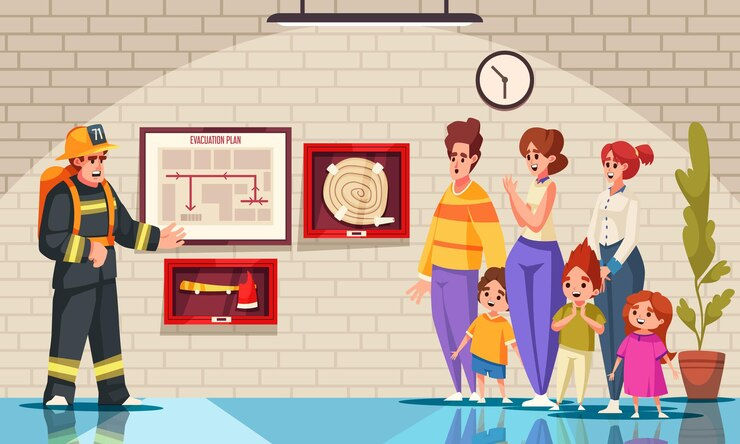
IoT enhances safety in schools with connected security systems. From surveillance cameras to smart locks and emergency alert systems, IoT ensures a secure environment for students and staff.
7. Efficient Resource Utilization

IoT enables schools to manage their resources efficiently. For example, smart energy systems may monitor and optimize electricity usage, while automated systems conserve water, thereby making the campus more sustainable.
8. Real-Time Feedback and Monitoring

IoT devices track engagement and performance in real time, giving teachers and students instant feedback. The approach is data-driven, which implies that timely interventions will ensure better overall academic outcomes.
9. Gamified Learning Integration

IoT enables gamified learning systems that make learning interesting and fun. Students can engage with their lessons through games, quizzes, and challenges, all of which are synchronised in an organised manner.
10. Closing the Gap in Special Education

IoT technologies are significantly important in special education due to assistive devices that include voice-to-text systems, smart hearing aids, and interactive learning aids. These innovations ensure equal learning opportunities for all students without discrimination.
IoT is revolutionizing education by bringing smarter, more adaptive, and inclusive teaching methods. From the creation of engaging classrooms to enhancing collaboration and ensuring safety, IoT is paving the way for a connected and efficient future in education. As technology evolves, so does the potential of this technology to shape the next generation also improves, IoT gives benefits to learners by making education accessible, effective, and personalized as never before.

Comments