.png)
IoT and Blockchain: Secure and Transparent Data Sharing

Updated: 5 days ago
With the Internet of Things (IoT), industries are being transformed by connecting devices and
enabling seamless data exchange among them. However, for such a transformation, significant
challenges arise in various forms, such as data security, privacy, and trust. Blockchain
technology might become an effective solution to overcome these problems and provide a
decentralized and clear way to secure IoT networks. Together, IoT and blockchain can create a
new paradigm of secure and efficient data sharing.
Let explore how these two technologies are complementing each other to shape the future of
connected devices and systems.
1. Better Data Security

The key area of improvement that has arisen from integrating blockchain with IoT is enhanced
security. Because of blockchain's decentralized nature, it eliminates the risk of data breaches.
Data Encryption: Blockchain encrypts data, preventing unauthorized access.
Tamper-proof Records: Data recorded on the blockchain can never be amended. Hence, it will
always be a trusted source of information.
IoT data exchanges are enabled through blockchain, which makes connection devices more
resilient to cyber and manipulation attacks.
2. Enhanced Data Transparency
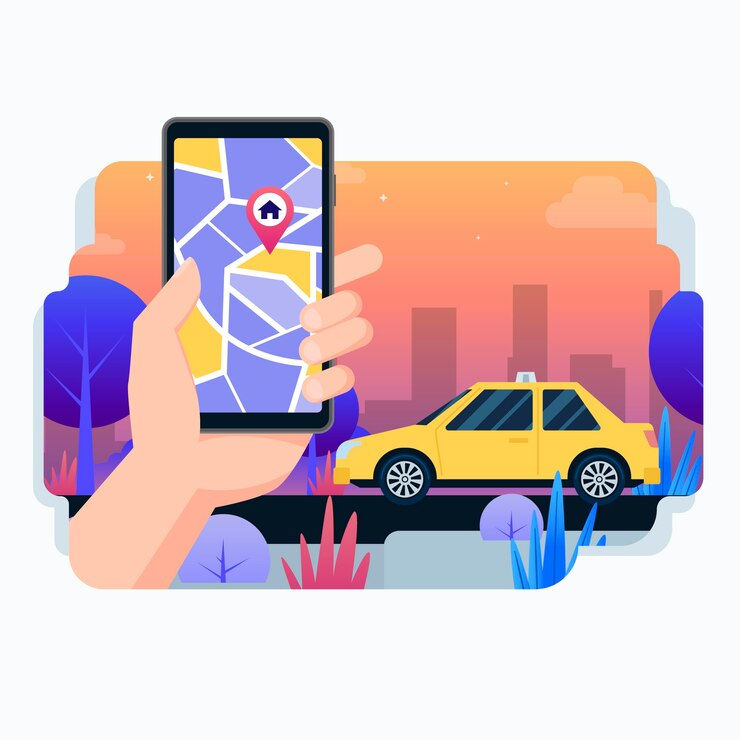
Blockchain records all data transactions in an open ledger, and therefore, there is always trust
since every interaction is traceable and verifiable.
Supply Chain Transparency: IoT sensors can trace the journey of goods, while blockchain
records every step, hence holding them accountable.
Consumer Trust: Customers can verify the authenticity and origin of products, hence further
creating trust in their favourite brands.
This combination has been particularly helpful for industries
where transparency is critical, like
in food safety or pharmaceuticals.
3. Decentralized Networks for IoT

Traditional IoT systems are centralized and, hence, easily prone to failures. Blockchain helps
create decentralized networks that allow IoT devices to communicate with each other.
Effective Communication: Devices can share data without having to go through
intermediaries, reducing latency in communication.
Cost-effectiveness: Decentralization means no expensive central infrastructure is required,
making it cheaper to operate.
With the IoT and blockchain, networks continue to be scalable and reliable even if the number of
connected devices grows.
4. Secure Identity Management

IoT systems lack proper identity verification for their devices, which opens a great possibility of
access by unauthorized entities. Blockchain provides a means of secure management of device
identities.
Unique Identifiers: Every device is endowed with a unique, blockchain-based identity.
Authentication: Devices may authenticate and only make available data following successful
authentication, thus safe communication.
This link between IoT and blockchain strengthens the network’s overall security by preventing
malicious devices from infiltrating.
5. Smart Contracts for Automation
Blockchain-powered smart contracts are self-executing agreements that automate processes
based on predefined conditions. These are particularly useful in IoT ecosystems.
Real-Time Transactions: Smart contracts can trigger actions like payments or alerts when IoT
devices report specific conditions.
Reduced Human Intervention: Automation streamlines operations, reducing errors and
delays.
For instance, smart contracts and IoT can collaborate to make logistics more efficient by
automating payments upon goods delivery.
6. Challenges with IoT-Blockchain Integration

Even though the potential is gigantic, IoT and blockchain face challenges related to integration:
Scalability: In any event, blockchain networks get slow as they scale. The impact can be
reflected in the IoT systems that handle tonnes of data.
Energy Consumption: Blockchain's consensus mechanisms, like proof-of-work, consume a lot
of energy. It can conflict with the energy-saving objectives of IoT.
Complexity: Blockchain-based IoT networks are sophisticated and require an expert workforce
for deployment and maintenance.
However, advancements in blockchain technology are removing many of these barriers, and
integration into various ecosystems is becoming easier.
7. Industry applications
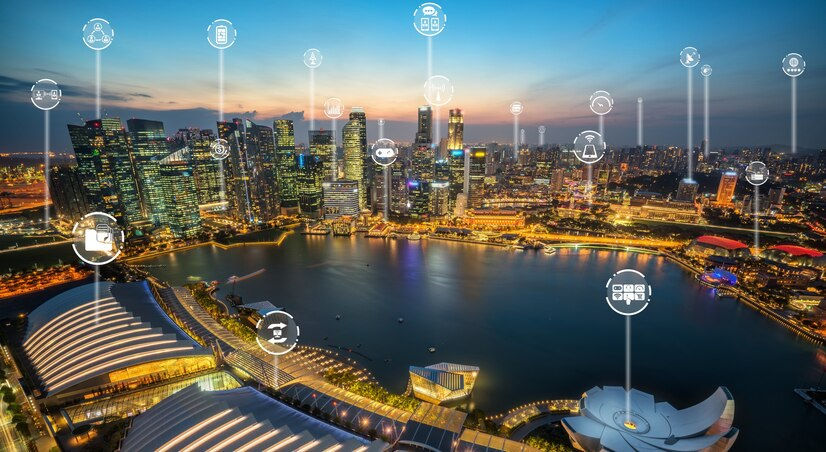
IoT and blockchain combined are being researched in many industries:
Healthcare: Patients' information is secured and easily shared with healthcare providers.
Logistics: Shipments could be followed in real-time, and the authenticity of the data could be
verified.
Smart Cities: Managing resources like energy and water more efficiently and transparently.
Finance: Facilitating secure IoT-based payment systems using blockchain.
These real-world applications show how the blockchain complements IoT, making systems
smarter and more trustworthy.
The Road Ahead
IoT and blockchain signify a giant step forward toward a world where data-sharing is transparent
and secure. Together, these developing technologies form the fabric with which industries will
function, creating opportunities for innovative happenings and trust. In the current scenario, IoT
and blockchain are not only technologies but the tools shaping the future of connectivity and
collaboration.


Comments