
CONNECTED TECHNOLOGY. CLEARLY EXPLAINED.
Sleep and wellbeing
Explore sleep trackers, bedroom routines and wellbeing technology through comfort, estimated data, privacy and the purpose of each feature.
A bedroom routine, a wearable sleep estimate and a clinical assessment serve different purposes. Decide which question you want technology to help with before adding a device, account or subscription. A useful setup should fit the person and the room without making every night a performance target.
Choose the purpose first
Support a routine
A scheduled light, quiet reminder or simple alarm can support a chosen routine without collecting sleep measurements. Check manual controls, household preferences and what happens when the network is unavailable.
Understand an estimate
Ask what the device measures, what the app estimates and which algorithm produces a score. Missing wear time, syncing and software changes can affect what is displayed. Avoid treating scores from different platforms as equivalent measurements.
Keep care questions separate
Use technology information to prepare questions rather than diagnose a sleep condition. The NHLBI describes discussing sleep habits and a diary with a healthcare professional, who decides whether a clinical assessment or sleep study is appropriate.
Review the complete overnight experience
Wearables and overnight comfort
Consider whether the device can be worn comfortably through the intended night and when it will be charged. Check the manufacturer’s wearing and cleaning instructions for the exact model. A strong daytime feature list does not establish a comfortable overnight experience for every person.
Sleep estimates and changing algorithms
Google Health describes estimated sleep metrics combined into its Sleep Score and explains that an algorithm update can change displayed trends. Record the app and review date when comparing records. A changed score alone does not establish that the person’s sleep changed by the same amount.
Bedroom routines and controls
Define the action: dim a lamp, start a chosen audio routine or provide a wake-up cue. Check other occupants, physical switches, volume and recovery after a power interruption. Test the routine’s operation as a technology task; do not infer improved health or sleep quality from a successful automation.
Privacy in a shared bedroom
Identify which sensors, microphones, accounts and cloud services are involved before enabling them. Review household consent, account access, retention and deletion controls. Keep intimate recordings and identifiable sleep records out of public reviews, enquiry forms and shared demonstration screenshots.
Exports, gaps and subscriptions
Check what can be exported and whether raw records include the detail needed for your purpose. Google distinguishes downloadable raw sleep data from further analysis and reserves some additional insights for a paid plan. Review the current regional offer and cancellation terms before committing to optional services.
Context beyond a score
Keep a simple record of the routine and how the person felt if it helps frame a discussion. The NHLBI provides a sleep diary for recording sleep and daytime habits. Persistent concerns belong in a conversation with an appropriate healthcare professional, irrespective of a consumer app score.
An everyday selection example
Someone who wants a quieter evening may first check whether an existing lamp timer and alarm meet that purpose. Someone reviewing a tracker can separately assess comfort, charging, data gaps and exports. These are different selection exercises; neither is an IoTPapa clinical test or a claim of improved sleep.
Compare documentary evidence honestly
The Fitbit Charge 6 profile records model documentation and setup dependencies. The watches and fitness trackers guide broadens the format comparison. Neither page establishes individual sleep-tracking accuracy or medical suitability.
Sources and further reading
Google Health: Sleep Score help explains estimates, algorithm changes, exports and optional insights. NHLBI: discussing sleep problems and using a diary supplies the care-assessment context. Product features and paid inclusions can change; recheck the exact device, app and market.
Continue the evidence discussion
Wearables: health, fitness and measurement evidence explores how recorded signals and health claims differ. Lighting and switches covers practical controls if a chosen routine needs lighting automation.
By Admin · Reviewed 18 October 2026. Educational, documentation-based technology guide. No medical diagnosis, treatment, hands-on accuracy test or proven sleep improvement is claimed. Return to Personal and Lifestyle IoT.
Routines, formats and measurement evidence
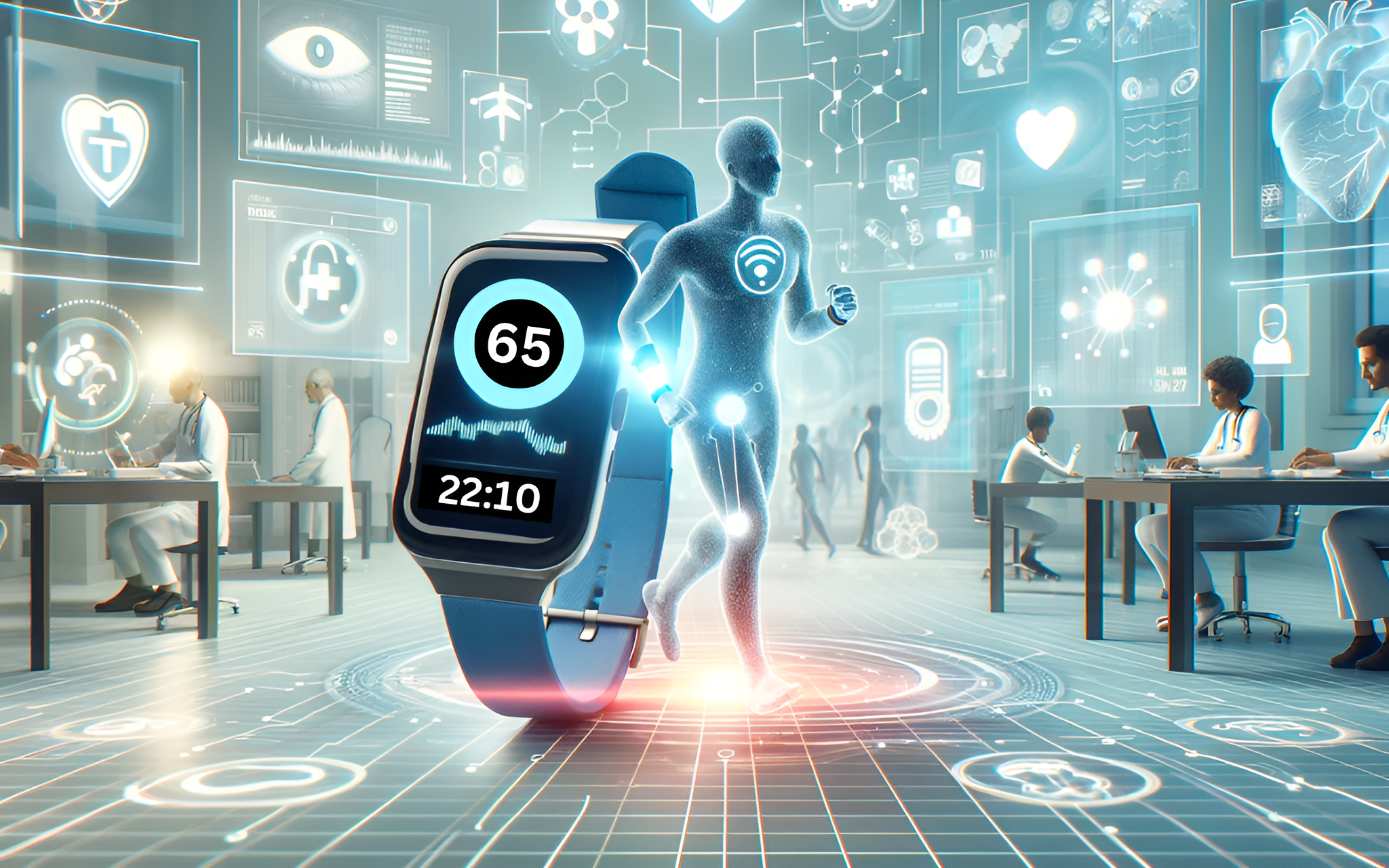
EXPLORE FURTHER
Watches and fitness trackers
Review formats, phone dependencies and practical wearing considerations.
EXPLORE FURTHER
Wearable measurement evidence
Distinguish recorded signals, wellness estimates and medical claims.
EXPLORE FURTHER
Lighting and switches
Review controls, compatibility and practical lighting routines.