
CONNECTED TECHNOLOGY. CLEARLY EXPLAINED.
Manufacturing
Define the operational decision before connecting machines. A sensor feed is useful when somebody can act on it.
Evaluation guide · By Admin · Reviewed 18 October 2026. The example below is a planning exercise; it does not report a customer installation.
Start with an operational decision
A connected factory starts with a useful question and a responsible team. Select a manageable asset or process, record the current way of working and define what evidence would justify continuing.
Condition monitoring
Start with one failure mode and an observation that can inform an inspection. Track missed events, false alerts and investigation effort alongside useful detections.
Maintenance planning
Connect an observation to a named maintenance decision. Record the work order, operator context and action taken so a dashboard alert has an accountable destination.
Process visibility
Choose the operational question first: an unexplained stoppage, a changeover delay or an inconsistent reading. Agree on event definitions before comparing shifts or lines.
Data path and ownership
1 · Asset and measurement
Operations and maintenance name the asset, measurement, units and sampling interval. Record mounting, reference checks and the existing inspection process before connecting a sensor.
2 · Gateway and transport
IT and OT teams document how readings reach the gateway and onward systems. Identify buffering, missing-data flags, time synchronisation and the boundaries of any remote access.
3 · Context and integration
Keep asset identity, operating state and timestamps with each reading. Check the actual machine interface and information model; a shared protocol name alone does not prove usable data.
4 · Storage and visibility
The data owner agrees retention, access, export and recovery. Make unknown or stale readings visible rather than silently treating missing data as a healthy operating state.
5 · Alert and response
The maintenance owner defines who investigates, when to escalate and how to log an action. Measure alert usefulness and response effort; agree how duplicate or noisy alerts are handled.
6 · Review and release
The pilot owner compares the agreed baseline and acceptance thresholds. Include engineering time, maintenance effort and lifecycle cost, then record a go, revise or stop decision.
Pilot example: one pump
Select one maintainable pump and one observation, such as temperature or vibration, with the responsible engineering team. Record the operating window, existing fault log and inspection process. Begin with observation and an agreed installation boundary; any changes to control behaviour require the site's normal engineering and safety review.
Log the reading, operating state, timestamp and data gaps together. When an alert occurs, record who investigated, what was found and whether an action followed. A quieter production week alone does not demonstrate fewer failures.
Agree the success measures
For each measure, record its unit, baseline period, acceptance threshold and accountable owner. Useful candidates include downtime hours, useful alerts as a share of investigated alerts, missed known events and response time. Include workload and data quality, and compare equivalent operating conditions. IoTPapa supplies no universal target or promised saving.
Cost, risk and rollout
Ask how the system handles sensor drift, lost connectivity, export, backups and support changes. Document integration work, installation downtime, calibration, training, subscriptions and replacement costs. Assign the asset owner, maintenance lead, IT/OT access owner and pilot decision maker before expanding.
For technical planning, consult NIST SP 800-82 Rev. 3 on OT security and the OPC Foundation's OPC UA overview. Apply guidance to the actual equipment and environment; these links do not certify a deployment.
Evidence and next step
This is an original editorial evaluation framework. No measured ROI, supplier endorsement or operational suitability is claimed. Keep supplier case studies separate from independent measurements and retain their source and reporting period. Prepare a short pilot brief covering the asset, question, baseline, owner, costs and go/no-go test before requesting proposals.
Prepare your requirements
Prepare a private requirements enquiry. Include the operating context and decision you need to make. Admin reviews the request; no provider is contacted automatically and no quote or partnership is implied.
Manufacturing reading paths
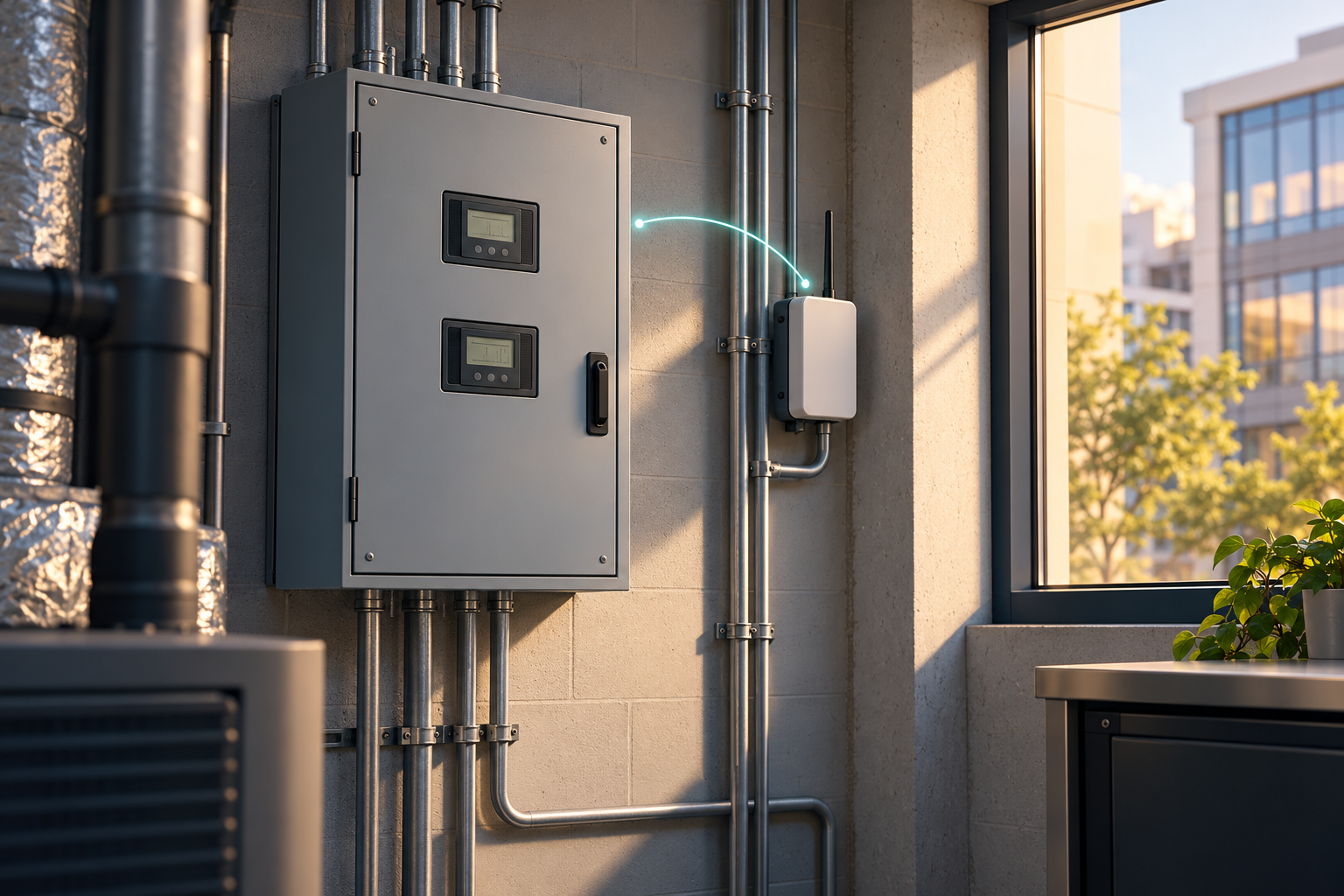
BUSINESS AND INDUSTRIAL LEARNING PATH
Evaluate an industrial IoT pilot
Prepare a decision brief through six steps: problem and baseline, architecture, operational approval, measurement, ownership and a fair go/no-go review.

CONNECTED PROFILE
Industrial IoT
Plan industrial sensing and automation around an asset, a measurable signal, operational ownership and controlled integration.
RELATED READING
Plan a maintainable IoT system
Plan the network, data path, maintenance effort and ownership before scaling a connected system.
RELATED READING
Make an industrial pilot accountable
Define the manufacturing decision, baseline and accountable action behind an industrial IoT pilot.
FREE DOWNLOAD
Industrial pilot requirements brief
Download a three-page fillable brief covering the pilot decision, baseline, responsibilities, data, acceptance evidence, provider scope, operating cost and exit.
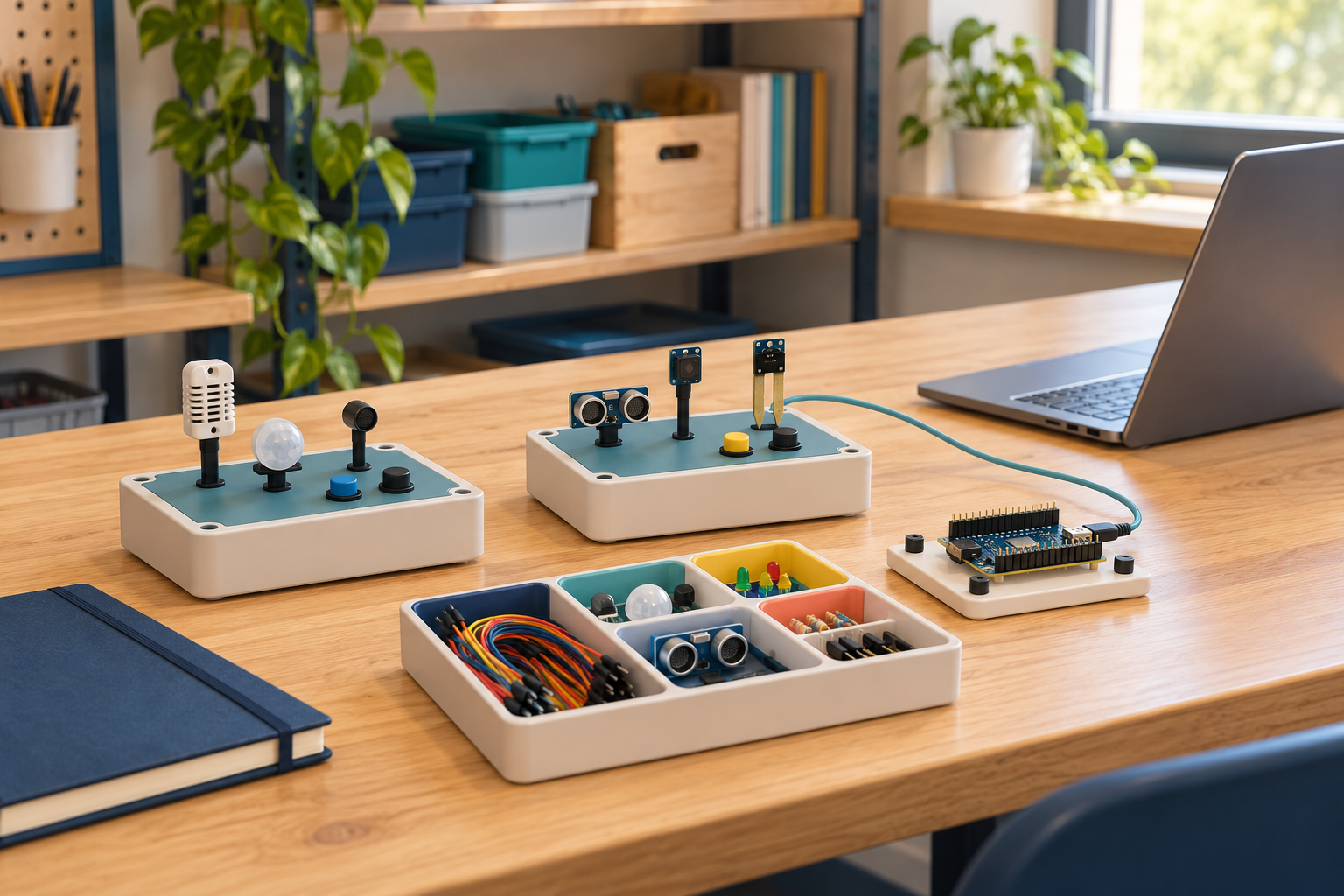
FREE DOWNLOAD
Sensor validation and calibration log
Keep raw observations, reference evidence and maintenance decisions separate. Record quantity, unit, UTC time, conditions, missing data and drift concerns without implying a calibration certificate.
USE CASE
Condition monitoring for a motor-driven fan
An advisory pilot for one fan: baseline, six-step data path, named owners and continuation criteria. No claimed installation or saving.