
CONNECTED TECHNOLOGY. CLEARLY EXPLAINED.
Healthcare operations
Explore equipment visibility, facility observations and administrative workflows with clear data ownership and evidence for each operational decision.
Industry evaluation · By Admin · Reviewed 20 October 2026. Original operational planning guidance; no installed healthcare system, clinical outcome or certification is reported.
Start with the operational record and its owner
Healthcare operations include equipment stores, facilities, maintenance and supporting workflows. Choose a bounded operational question and keep location, environmental observation and equipment readiness separate. Clinical use, patient data and regulated functions require their own responsible teams and evidence.
Define the operational scope
Choose an equipment-store or facility question, relevant asset/zone and responsible team. Keep patient monitoring, diagnosis and treatment outside this operational pilot.
Preserve the meaning of the record
Distinguish identity, current/last-seen location, environmental observation and independently owned readiness status. Make time and unknown states explicit.
Assign review and maintenance
Name the authorised operator, permitted response, access owner and manual fallback. Keep maintenance and service procedures traceable.
Connect the observation with a responsible workflow
1 · Operational question
Record the asset group or facility zone, current workflow and the decision the evidence should support. Establish a comparable baseline before collecting trial records.
2 · Identity and deployment fit
Verify asset-to-tag or observation-point mapping, configuration, approved attachment/placement and responsible site approval. Agree the reference-check method.
3 · Data path and freshness
Demonstrate the actual receiver, network, platform and work queue. Retain observation/receipt time and mark stale, offline, unobserved and disputed records.
4 · Authorised review
The responsible team checks the physical asset or facility condition with the existing approved process. A sensor alert or location dot does not establish equipment readiness.
5 · Recorded operational response
Record the finding, allowed action, exception and closure owner. Keep any clinical system, regulated function or automatic control scope separately assessed and approved.
6 · Maintenance and reassessment
Review tag changes, batteries, reference checks, layout, access and software revisions. Recheck after changes and measure actual effort and unresolved exceptions before expanding.
Pilot example: non-clinical equipment and environment tracking
The non-clinical tracking pilot starts with a utility-asset group or facility zone. It covers verified identity, representative checks, freshness, an authorised physical review and maintenance. It does not infer readiness for clinical use or claim a patient benefit.
Distinguish the records before integration
A last-seen location is not live availability. A room observation is not the condition of an enclosed item. A maintenance or readiness state needs its independent source and responsible owner. Record units, timestamps, confidence/quality and configuration so these distinctions survive a shared dashboard.
Plan installation and ongoing ownership
Responsible site teams review asset attachment, placement, network/data route, access and maintenance. Record the actual device, hardware/software versions and support scope. Preserve approved equipment and facility procedures; a generic sensor feature list does not authorise a change to them.
Minimise data and secondary uses
Define the minimum fields, granularity, access, retention, exports and links to other systems. Even an asset movement history can reveal sensitive patterns when combined with other records. Keep private patient, staff and credential information out of an initial enquiry.
Evaluate usefulness with a fair baseline
Use representative reference checks and record unavailable or stale observations. Compare search/inspection effort, completed operational responses, unresolved exceptions and actual maintenance cost using the agreed baseline. Any clinical, compliance or financial claim needs separate suitable evidence.
Use sources within their scope
NIST’s localisation test-and-evaluation introduction distinguishes testing methods from application-specific thresholds. NIST’s 2024 testing-challenges page supports representative site evaluation. The NIST IR 8259A overview supplies device-capability planning context. These references are not a clinical approval, site audit or product certification.
Prepare a non-confidential brief
State the operational question, asset group or zone, current process, required record, existing systems and decision owner. Prepare a private requirements enquiry for Admin review. Onward sharing is optional; no provider is contacted automatically.
Operational pilots and practical reading
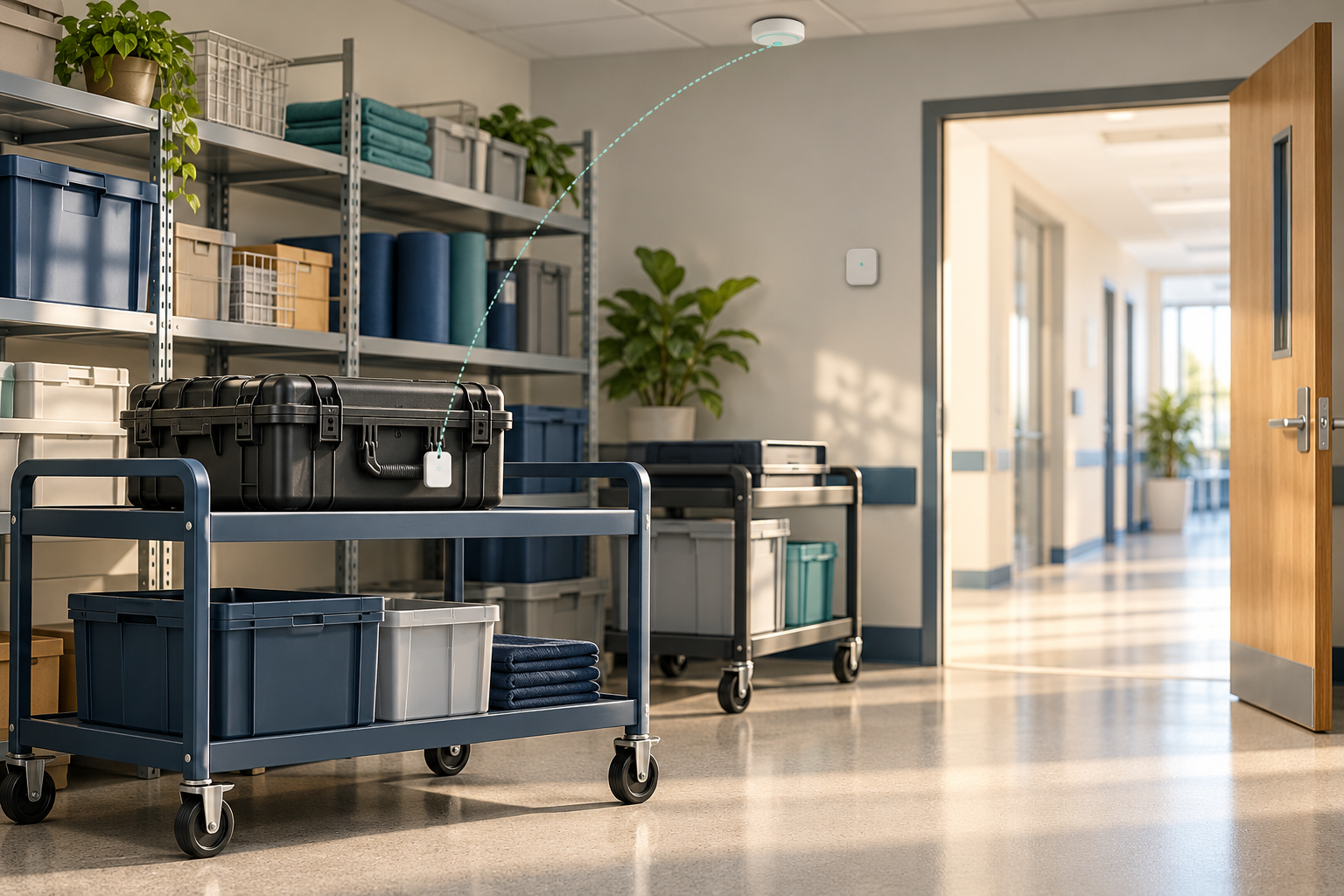
USE CASE
Non-clinical tracking: find an asset, review a facility exception
Plan a bounded asset-location or facility-environment pilot with verified identity, visible freshness, representative checks and an accountable operational response.
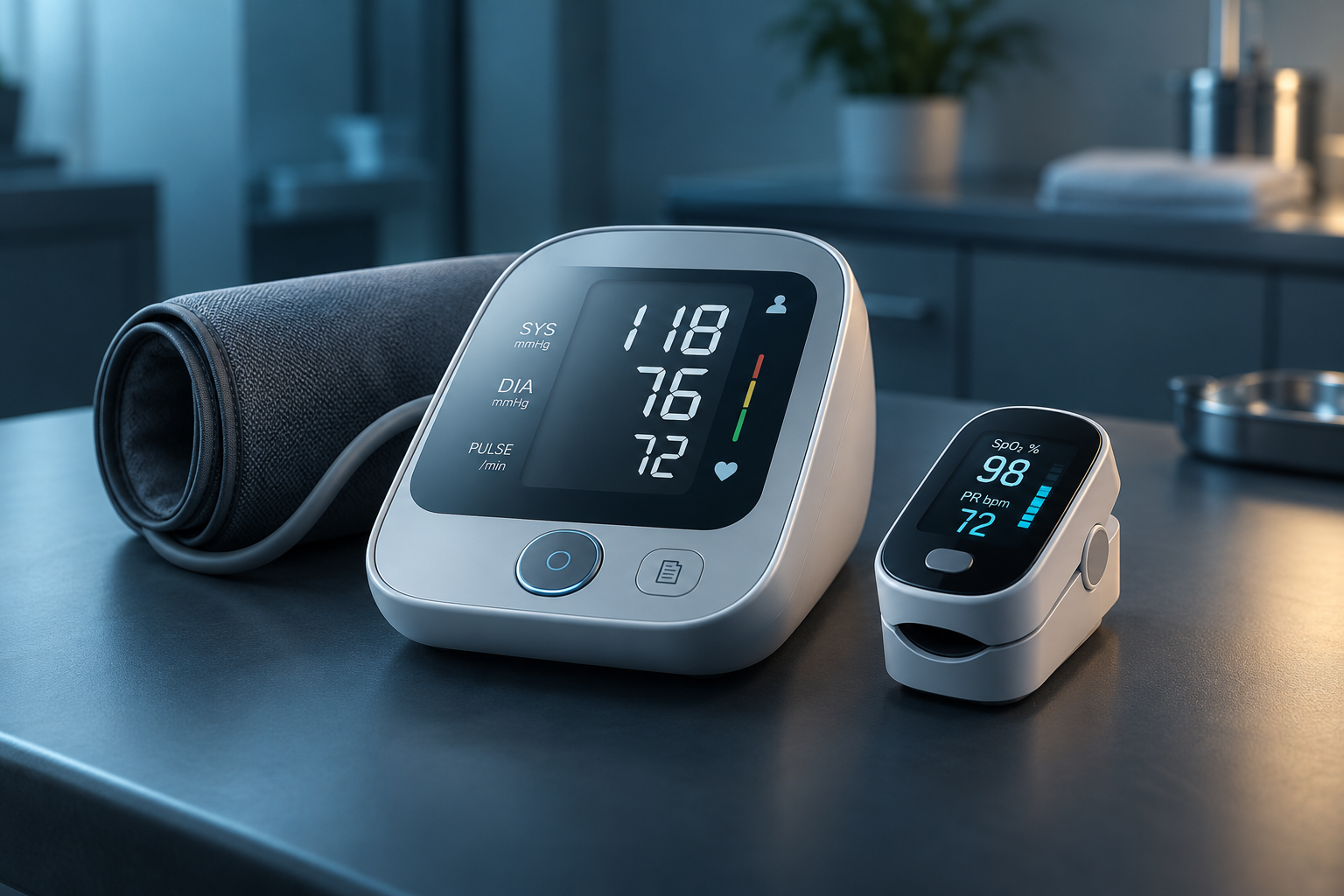
CONNECTED PROFILE
Healthcare IoT
Understand connected health monitoring through intended use, measurement evidence, care workflows and access to sensitive records.
RELATED READING
Connected technology and everyday attention: keep useful boundaries
A practical guide to connect this subject with a useful decision.

RELATED READING
Wearables: activity, wellness and measurement evidence
A practical guide to connect this subject with a useful decision.
RELATED READING
IoT in sport: useful feedback without misleading metrics
A practical guide to connect this subject with a useful decision.
RELATED READING
Medical IoT: connected care, evidence and responsibility
A practical guide to connect this subject with a useful decision.